
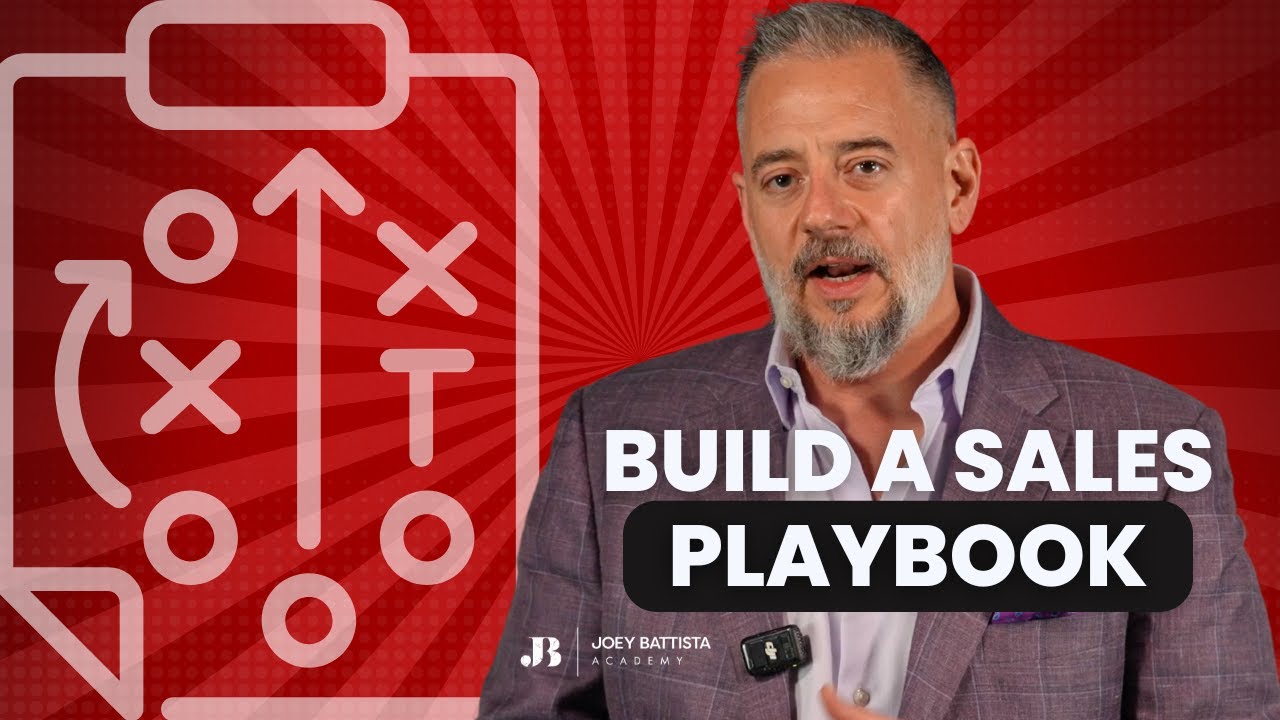
How to Increase Sales and Profits With a Simple Sales Process That Actually Works
Every entrepreneur says they want more sales. They say they want more profit too. But most are not building for either one.
I see it all the time.
People want bigger numbers. They want more leads. They want more customers. They want faster growth. Yet they never stop long enough to look at what is already working. They never study what is already producing revenue. And because of that, they keep pushing harder without getting paid better.
That is the trap.
If you want to know how to increase sales, you have to stop guessing. You have to get intentional. You have to get clear on what actually pays you. Then you need a sales process that helps you do more of that, more often, with better profit attached to it.
That is how real growth happens.
I am not talking about flashy tactics. I am not talking about random marketing ideas. I am talking about the kind of simple and disciplined work that helps you build a business that produces sales and profits consistently.
If you are serious about growth, this is where you start.
Most Business Owners Are Chasing Revenue the Wrong Way
A lot of business owners think the answer is to sell more things to more people. That sounds good. It feels aggressive. It feels like growth. But it is often the wrong move.
You do not need to sell everything to everybody.
You need to know what your core business is.
You need to know where most of your revenue comes from. You also need to know what is most profitable. Those are not always the same thing. And if you do not understand both, you are making decisions in the dark.
That is why so many entrepreneurs stay busy but never feel ahead.
They are working. They are trying. They are moving. But they are not building around the right sales strategy plans. They are reacting instead of leading. They are adding activity without improving the system underneath it.
That is not how you increase sales and profits.
The real goal is not more sales for the sake of sales. The real goal is more sales that drive net profit. That is a very different mindset. It forces you to ask better questions. It forces you to look at what is producing the best return. And it helps you stop wasting energy on things that look good but pay poorly.
So before you try to do more, get honest about what already works.
Your Core Revenue Stream Tells You Where to Focus
One of the first things I want you to do is identify your core revenue stream.
Where does 80 percent of your revenue come from
That question sounds simple. But most owners cannot answer it quickly. Even worse, many cannot answer it accurately. That is a problem.
If you do not know where most of your revenue comes from, then your focus is scattered. And scattered focus kills momentum.
Your core revenue stream tells you what the market already wants from you. It shows you where trust already exists. It points you toward the lowest friction opportunity in your business. That matters because growth gets easier when you stop fighting your own strengths.
Once you find that core revenue stream, the next question is simple.
What complements it
What upsell makes sense after the first sale
What additional value can you offer to a customer who is already getting results
That is where a lot of extra money sits. It is not always sitting in more traffic or more ads. Many times, it is sitting inside your current customer base. It is sitting inside your current offer. It is sitting in what you have failed to package, present, or communicate.
This is why I tell people to focus on making more money from each client first. Solve more problems for the right customer. Create more value. Improve the experience. Then improve how you present the next logical step.
That is a better path to sales and profits.
The Best Mousetrap Wins
I use this idea a lot because it is simple.
The person with the best mousetrap wins.
Your mousetrap is how your business makes money. It is your offer. It is your process. It is how prospects move through your business. It is how customers buy. It is how they stay. It is how they spend more. It is how they refer others.
It does not matter if you run a coaching business, a salon, a service company, a call center, or an online brand. You have a mousetrap. The question is whether it works at a high level.
A better mousetrap means your sales process is stronger. It means your messaging is clearer. It means your team knows what to say. It means your customer sees value faster. It means your follow up is better. It means your upsell is natural. It means your retention is intentional.
That is what wins.
A weak business often does not have a lead problem first. It has a process problem. It has a value communication problem. It has a follow up problem. It has a conversion problem.
So if you are asking how to increase sales, do not just ask how to get more attention. Ask how to improve the mousetrap.
Because once the mousetrap gets better, everything else works harder.
The Best Mousetrap Wins
I use this idea a lot because it is simple.
The person with the best mousetrap wins.
Your mousetrap is how your business makes money. It is your offer. It is your process. It is how prospects move through your business. It is how customers buy. It is how they stay. It is how they spend more. It is how they refer others.
It does not matter if you run a coaching business, a salon, a service company, a call center, or an online brand. You have a mousetrap. The question is whether it works at a high level.
A better mousetrap means your sales process is stronger. It means your messaging is clearer. It means your team knows what to say. It means your customer sees value faster. It means your follow up is better. It means your upsell is natural. It means your retention is intentional.
That is what wins.
A weak business often does not have a lead problem first. It has a process problem. It has a value communication problem. It has a follow up problem. It has a conversion problem.
So if you are asking how to increase sales, do not just ask how to get more attention. Ask how to improve the mousetrap.
Because once the mousetrap gets better, everything else works harder.
What a Real Sales Playbook Should Include
A real sales playbook is not just a script. It is not a motivational speech either. It is a practical framework that helps you and your team execute.
You need clarity around who you sell to. That means your buyer persona. You need clarity around where you sell. That means your market territory. You need clarity around how you generate leads, how you qualify them, and how you move them through the process.
Then you need to build in referral and retention. That matters because growth does not only come from the front end. Great businesses grow because they keep customers longer and create reasons for people to come back.
You also need team alignment. If your team does not understand the process, they cannot execute it well. If they do not know the goals, they cannot hit them. If the handoff between sales, marketing, and operations is weak, then the business leaks money even when it sells.
That is why sales strategy plans must connect to the rest of the company. Sales cannot live on an island. Sales affect operations. Sales affect hiring. Sales affect coaching. Sales affect the customer experience. Everything is connected.
And when it is not organized, performance suffers.
Forecasting and Goal Setting Are Not Optional
A lot of people say they want growth. But they do not set goals. They do not forecast. They do not write anything down. Then they wonder why results stay inconsistent.
That is amateur behavior.
Forecasting is simply using trends and past performance to create a realistic view of what can happen next. Goal setting gives that effort direction. Together, they create focus.
You do not need a perfect system to start. You just need a clear target and a reason behind it.
What do you want this month
What result would make a real difference
What number matters
What actions support that number
When you do this, your thinking changes. You stop drifting. You start operating with intent. That alone can improve your sales process because people perform better when the target is clear.
I have seen talented people underperform because no one gave them structure. I have also seen average people improve fast once the goals were clear and measurable.
The point is simple.
If you want to increase sales, set goals. If you want to increase profits, track the right actions tied to those goals. It is not complicated. It just requires discipline.
Your CRM and Pipeline Should Help You Think Better
A lot of people use a CRM poorly. They collect data but do nothing with it. Or they automate everything so aggressively that the process feels cold and spammy.
Technology should support your sales process. It should not replace thought.
Your CRM should help you answer key questions.
Where are leads coming from
Which prospects are qualified
Where are deals getting stuck
Which offer closes best
Which follow ups produce action
Which customers are ready for an upsell
If your system cannot help you answer those questions, then you are not using it well.
Good sales strategy plans depend on good visibility. And good visibility starts with tracking what matters. You do not need perfect data. But you do need enough insight to improve the process.
Once you know the number, you can improve it.
That is always the game.
Start With Low Hanging Fruit Before You Chase More Leads
Most business owners run to marketing too early.
They want more leads before they fix conversion. They want more traffic before they improve retention. They want more attention before they strengthen the offer.
That is backwards.
First, improve the value of each customer. Improve the way you sell. Improve the way you retain. Improve the way you upsell. Then bring in more traffic.
That gives you a better return on every marketing dollar.
This matters because the easiest money in the business is often the money closest to you already. It is the customer who already trusts you. It is the offer already working. It is the problem you already solve well.
That is your low hanging fruit.
Start there.
Look at your most profitable item. Then ask what upsells naturally from it. Assign ownership. Set a deadline. Gather the resources needed. Define what success looks like. Then work the process until you improve it.
That is how real optimization happens.
Build SOPs and Prepare for Objections
If your team sells differently every time, then you do not have a real sales process. You have random effort.
That is why you need SOPs.
You need to document how sales happen. You need to document the upsell process. You need to document retention steps too. This helps your team stay consistent. It also helps you coach better because the standard is visible.
Then you need to list your top objections and your most common questions.
What do prospects push back on
What do they ask before they buy
What confusion comes up often
What hesitation shows up again and again
Those questions matter because if your team handles them poorly, sales slow down fast. A question can turn into a hard objection when the answer is weak. So do not leave that to chance.
Prepare your team. Train the responses. Improve the language. Make sure everyone understands how to handle those moments with clarity and confidence.
That alone can improve conversion more than people realize.
Focus on Three Things and Finish Them Well
One of the biggest mistakes people make is trying to fix everything at once.
That does not work.
You need focus.
When I look at a business, I want to know the three things that matter most right now. What are the three actions that can create momentum. What are the three strengths you can lean into while you improve weaker areas.
This matters because focus is power.
Most people stay distracted. They keep reacting. They keep shifting priorities. Then they wonder why execution never improves.
Do not do that.
Choose three things. Work them hard. Keep them visible. Review progress every week. Adjust if needed. But stay focused long enough to create movement.
That is how operators win.
How to Increase Sales and Profits the Right Way
If you want the simple answer, here it is.
Know what makes you money.
Know what makes you profit.
Build a better sales process around it.
Create upsells that make sense.
Retain customers longer.
Train your team clearly.
Track the right numbers.
Set goals.
Review the pipeline.
Document the process.
Handle objections better.
Stay focused.
That is how to increase sales without building a mess. That is how to improve sales and profits without wasting effort. And that is how to create a business that grows because the system supports it.
You do not need to complicate this. You need to get honest, get clear, and get disciplined.
Most people already have more opportunity than they realize. They just have not slowed down long enough to organize it.
If you are ready to improve your sales strategy plans, strengthen your sales process, and build a business that creates more sales and profits, take the next step.
Call 571-576-6194 or schedule an appointment online with my team.
If you want help building a stronger business, I would love to help you.


