
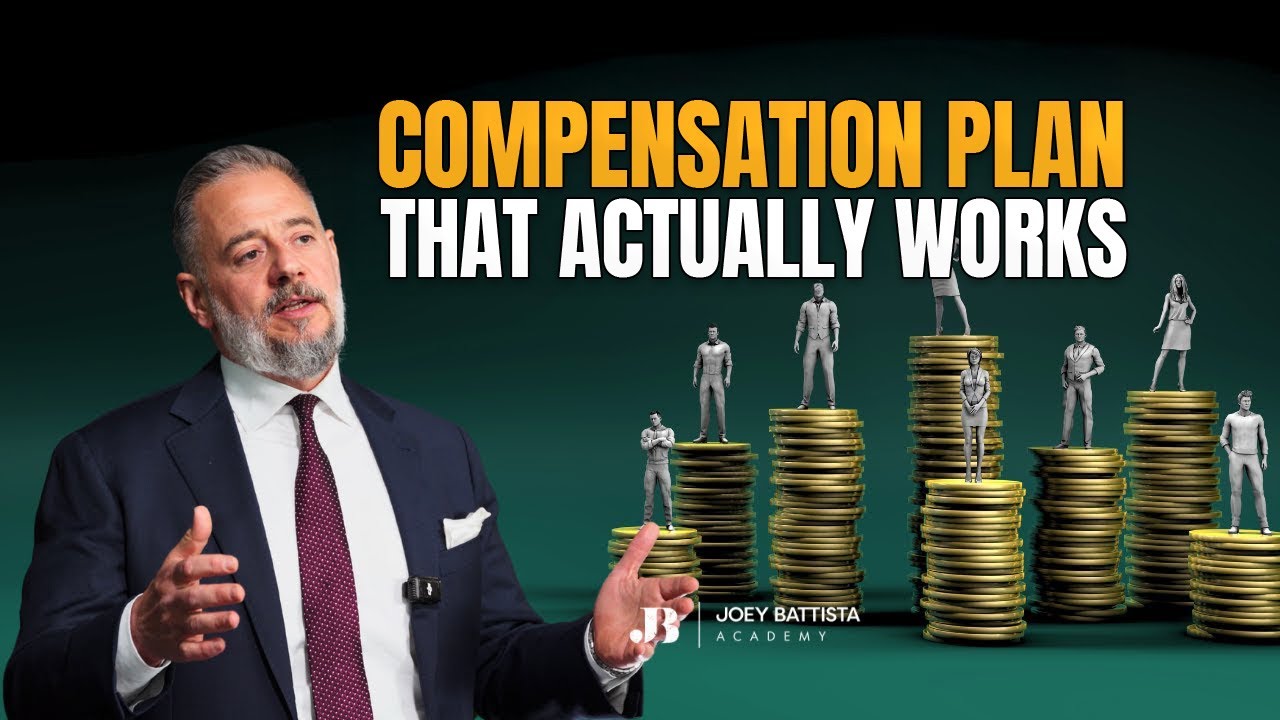
How to Design a Profitable Employee Compensation Plan
Most business owners think compensation is just about paying people. I see it differently. Compensation is one of the most powerful leadership tools inside your company.
When you design the right employee compensation plan, your business runs better. Your team becomes more engaged. Performance improves. Profitability increases.
But when compensation strategies are wrong, everything breaks down. Employees lose motivation. Leaders spend all day correcting behavior. The company struggles to grow.
I want to walk you through how I think about compensation strategies and how you can design incentive plans for employees that actually work.
If you get this right, your compensation structure will start doing a lot of the leadership work for you.
Why Your Employee Compensation Plan Matters More Than You Think
Business is a game of inches. It is a game of percentages. Small adjustments can create massive improvements.
Your employee compensation plan is one of those adjustments.
Think about a rowing team. If one person rows forward and two people row backward, the boat barely moves. But if three people row in the same direction, progress becomes easier and faster.
Your compensation structure determines which direction your team rows.
If you pay employees for the wrong behaviors, they will focus on the wrong work. If you reward the right activities, they naturally move the company forward.
This is why smart compensation strategies focus on performance that drives profitability.
You are not just paying for effort. You are paying for outcomes.
When you align pay with performance, your business becomes more efficient. Employees also feel more connected to the results they create.
That alignment changes everything.
The Real Problem With Most Incentive Plans for Employees
Many companies struggle with compensation because they forget one simple rule.
People do what they are paid to do.
This sounds obvious. Yet many organizations reward the wrong activities.
For example, some companies pay fixed salaries without performance incentives. Over time, human nature appears. Employees stop pushing themselves because there is no reward for doing more.
Other companies reward activities that do not actually drive profit. The team works hard but the company still struggles financially.
The solution is simple but powerful.
Your incentive plans for employees must reward the behaviors that create real business results.
This means your compensation plan must connect to measurable performance indicators.
These indicators are often called key performance indicators. Most leaders call them KPIs.
But a KPI is useless if it does not affect compensation.
Once you connect pay to performance metrics, your team begins to focus on the right actions automatically.
How Employee Engagement Improves With the Right Compensation Strategy
Compensation does more than drive performance. It also drives engagement.
Think about how people feel when their work is recognized. When someone contributes more and earns more, motivation increases.
Employees start arriving earlier. They stay later when needed. They invest more energy into improving their skills.
This happens because people feel their effort matters.
On the other hand, when someone works harder but receives the same pay, motivation disappears.
Eventually the employee stops pushing. They match the effort level of everyone else around them.
This is how mediocrity spreads inside companies.
Great compensation strategies prevent this problem.
When you reward performance, your best people thrive. They also attract other high performers into your organization.
The greatest gift you can give your team is another strong team member.
Strong compensation plans help you build that kind of culture.
Aligning Profitability With Your Employee Compensation Plan
A healthy business culture requires alignment between company success and employee success.
Your team should win when the business wins.
Your team should also feel the impact when the business struggles.
If this balance disappears, serious problems begin.
For example, if employees win while the company loses money, the business eventually collapses. This creates a culture of mediocrity because people are rewarded even when results are weak.
The opposite situation is also dangerous.
If the company owner wins while employees struggle financially, engagement disappears. Your team loses trust and motivation.
Nobody wants to watch the owner celebrate while they can barely pay their bills.
The goal is simple.
Everyone shares in the wins and everyone feels responsibility during the losses.
This creates unity and accountability across the organization.
The Compensation Structure I Use In My Companies
Over the years I have tested many compensation strategies.
The structure I prefer is simple and flexible. I call it the trifecta compensation model.
It includes three components.
Salary
Commission
Bonus
This model balances stability and performance incentives.
Let me explain how I structure it.
First, I like about fifty percent of compensation to be salary. This provides stability for employees and helps attract strong talent.
Many people have families, mortgages, and financial responsibilities. A base salary gives them security.
Next, I allocate around twenty five percent to commission.
Commission rewards production and revenue generation. It ensures employees directly benefit from strong performance.
Finally, the remaining twenty five percent becomes bonus.
The bonus is extremely powerful because it allows leadership to adjust incentives over time.
Why Bonuses Are the Most Flexible Incentive Tool
The bonus portion of your employee compensation plan creates flexibility.
Your business priorities change throughout the year. Markets shift. Customer expectations evolve.
Bonuses allow you to move incentives toward what matters most at the moment.
For example, maybe customer service needs improvement. You can tie bonus incentives to service quality.
Maybe your conversion rates are low. You can reward higher conversion performance.
Perhaps you want to increase upsells or introduce a new product. Bonuses can focus attention on that initiative.
Where the money goes, attention follows.
When attention follows, results improve.
This is why flexible incentive plans for employees are so effective. They guide behavior without constant micromanagement.
Your compensation system begins doing the coaching for you.
How To Transition Employees Into A New Compensation Plan
One of the biggest mistakes leaders make is introducing new compensation structures incorrectly.
People struggle with change. Even positive changes can create anxiety.
That is why I recommend modeling new compensation plans around what employees are already earning.
Start by reviewing past performance data.
You can analyze the previous year, the last three months, or the current year to date.
Use this information to estimate the employee's typical monthly earnings.
Then design the new compensation structure so their income remains approximately the same initially.
For example, if someone earns six thousand dollars monthly, you might structure the compensation like this.
Three thousand dollars salary
One thousand five hundred dollars commission
One thousand five hundred dollars bonus
This structure matches their existing income but creates new incentives for performance growth.
As production increases, commission and bonuses increase. Employees see greater earning potential without feeling immediate financial risk.
This approach helps employees accept the new compensation model more easily.
When You Should Not Change An Existing Compensation Plan
Another important lesson involves high performers.
If an employee compensation plan already produces strong results, avoid changing it unnecessarily.
Top performers often build habits around their compensation structure. Sudden changes can disrupt performance.
Instead, introduce new compensation strategies gradually.
You might start by applying the updated structure to lower performers. New hires can also join under the new plan.
Over time the organization transitions naturally.
This approach protects your best employees while improving your overall compensation system.
Why Markets Require Regular Compensation Reviews
Business environments change constantly.
Economic shifts, labor markets, and industry conditions influence compensation expectations.
For example, many companies increased compensation during the pandemic. Some employees earned high pay despite lower productivity.
Today the market looks very different.
Companies must revisit their compensation strategies to ensure they remain aligned with productivity and profitability.
This does not mean reducing employee pay unfairly.
It means building compensation systems that reward real contribution.
When employees understand this connection, they appreciate the opportunity to earn more through performance.
How You Can Start Improving Your Compensation Strategy Today
Improving your employee compensation plan begins with clarity.
First identify the outcomes that drive profitability in your business.
Then identify the activities that produce those outcomes.
Next design incentive plans for employees that reward those activities.
When compensation aligns with results, your team begins working toward the same goals.
The business grows faster. Leadership becomes easier. Culture becomes stronger.
The right compensation structure transforms how your company operates.
Build a Stronger Business With the Right Compensation Strategy
Compensation is not just a payroll function. It is a leadership system.
When you design strong compensation strategies, your business gains momentum.
Employees become engaged. Performance improves. Profitability follows.
But designing the right employee compensation plan requires experience and strategy.
If you want help creating compensation structures that drive performance in your organization, I would love to work with you.
At Battista Academy, I help entrepreneurs design systems that grow revenue, strengthen leadership, and build profitable teams.
You can connect with me directly to discuss your business challenges or schedule a coaching session.
Call 571-576-6194 or schedule a one-on-one appointment with my team.
If you want to build stronger teams, improve your incentive plans for employees, and grow your business with confidence, let’s start the conversation today.


